


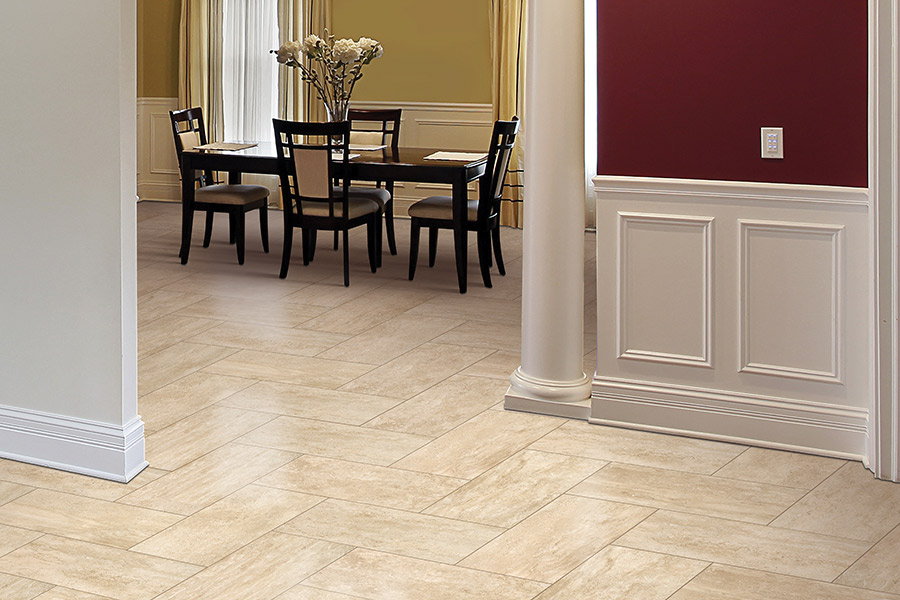
Tile seems like an easy choice at first. You pick a color, choose a size, and move forward. However, the real decision often comes down to something deeper: glazed vs. unglazed tile.
This choice affects more than just appearance. It impacts durability, maintenance, safety, and long-term performance. Whether you are updating a kitchen, remodeling a bathroom, or planning a commercial space, understanding the difference helps you avoid costly mistakes. Let’s walk through it clearly so you can make the right decision with confidence.
What is glazed tile?
Glazed tile has a protective coating applied to its surface before it is fired in a kiln. This coating, known as glaze, is what gives the tile its finished look and added protection.
Here is what that means for your space:
The surface is sealed and non-porous
Color and design are applied on top of the tile body
It is available in glossy, matte, or textured finishes
It resists stains and moisture very well
Because of this coating, glazed tile offers a wide range of design options. It can replicate natural stone, wood, or bold decorative patterns, making it a popular choice for many homeowners.
What is unglazed tile?
Unglazed tile does not have a surface coating. Instead, the color and texture run all the way through the tile.
Here is what makes it different:
There is no protective glaze layer
The finish is naturally matte and often more textured
Color is consistent throughout the entire tile
The material is more porous than glazed tile
This type of tile has a more natural and organic appearance. It is often chosen for its durability and slip resistance rather than decorative flexibility.
What are the main differences between glazed and unglazed tile?
Although both tile types may look similar at first glance, they perform very differently once installed.
Here is a side-by-side comparison:
Glazed tile
Features a smooth or polished finish
Offers a wide variety of colors and patterns
Resists stains and moisture effectively
Requires less maintenance over time
Unglazed tile
Has a more natural and earthy appearance
Provides better traction underfoot
It is typically more resistant to visible wear and scratches
Requires sealing to protect against stains
In simple terms, glazed tile focuses on design and ease of care, while unglazed tile focuses on strength and traction.
Which tile is better for kitchens?
Kitchens experience frequent spills, heavy foot traffic, and constant use. You need a surface that can handle all of it.
Glazed tile is often the preferred option for kitchens because it offers:
Strong resistance to food spills and stains
Easy cleaning with minimal effort
A wide range of styles for floors and backsplashes
That said, unglazed tile can also perform well in busy kitchens. Its textured surface provides better traction, which can be helpful in areas where water or grease may be present.
If your priority is low maintenance and design flexibility, glazed kitchen floor tiles are usually the better choice. If you want added durability and grip, unglazed kitchen floor tiles are worth considering.
Is glazed or unglazed tile better for bathrooms?
Bathrooms introduce constant moisture, which makes tile selection even more important.
Glazed tile works very well for walls, shower surrounds, and backsplashes because it repels water and resists staining. It also helps reduce the risk of mold and mildew when installed properly.
For bathroom floors, however, safety becomes a key factor. Glossy glazed bathroom floor tiles can be slippery when wet. In these cases, a textured glazed tile or an unglazed tile is often a better solution.
Here is a practical approach:
Use glazed tile for walls and vertical surfaces
Use textured glazed or unglazed tile for flooring
This combination provides both moisture protection and improved traction.
Which tile works best for high-traffic areas?
High-traffic areas require materials that can handle wear over time without showing damage.
Unglazed tile performs especially well in these environments because the color runs through the entire tile. This means scratches and wear are less noticeable.
It is commonly used in:
Entryways
Hallways
Commercial spaces
Outdoor areas
Glazed tile can still be used in high-traffic areas, especially when it has a durable finish. However, over time, surface wear may become more visible compared to unglazed options.
If long-term durability is your main concern, unglazed tile is often the stronger choice.
How does tile maintenance compare?
Maintenance plays a major role in deciding between these two tile types.
Glazed tile is easy to maintain:
Sweep or vacuum regularly
Mop with a mild cleaner
No sealing is required
Unglazed tile requires a bit more care:
It needs to be sealed to prevent staining
It should be resealed periodically
It can absorb liquids if it is not properly protected
While unglazed tile is not difficult to maintain, it does require more attention over time. If you prefer a low-maintenance option, glazed tile is the simpler solution.
Which tile option offers better design flexibility?
Design flexibility is where glazed tile stands out.
With glazed tile, you can choose from:
Bold colors
Detailed patterns
High-gloss finishes
Wood-look or stone-look styles
Unglazed tile offers a more natural and understated appearance. It typically comes in earthy tones and subtle textures.
Your choice depends on your design goals:
If you want a bold or decorative look, glazed tile is ideal
If you prefer a natural and timeless style, unglazed tile may be the better fit
How do you choose the right tile for your project?
The best tile for your project depends on how your space is used and what you value most.
Consider these questions:
Will this area be exposed to moisture?
How much foot traffic will it receive?
Do you prefer bold design or natural texture?
How much maintenance are you comfortable with?
Here is a quick reference guide:
Bathrooms and backsplash tiles: glazed tile
Kitchen floors: glazed or textured unglazed tile
Entryways and commercial spaces: unglazed tile
Decorative walls: glazed tile
There is no single right answer. The best choice is the one that fits your needs and lifestyle.
Contact our tile store today
Choosing between glazed and unglazed tile depends on your priorities.
Glazed tile offers easier maintenance, strong moisture resistance, and more design options. Unglazed tile provides better traction, durability, and a natural look that holds up in high-traffic areas.
In many cases, the best solution is to use both. Glazed tile works well for walls and decorative areas, while unglazed tile is ideal for floors and spaces that experience heavy use.
If you are unsure which direction to take, working with a knowledgeable team can make the process much easier. We are here to help you explore your options, understand the differences, and choose a solution that fits your space perfectly.
From our tile stores in McKinney, TX, and Austin, TX, we serve the Dallas-Fort Worth Metroplex for retail, home builder, and commercial projects, as well as Austin, San Antonio, and Houston for commercial flooring solutions. Get in touch with Builders Carpet & Design Center today!